Cart
0
The Souk Journal · On Collecting
On Functional Textiles,
On Functional Textiles,
aka 'Rugs with Jobs'
The case that the most desirable rugs are humble textiles that once had work to do—rarely on the floor.
I have a theory about rugs. The most interesting kinds are not those made for the salons and dining rooms of grand and noble homes, but the humbler textiles that once had work to do: Prayer rugs, table coverings, and room dividers made for tents and migratory households.
Among nomads in traditional weaving centers in Anatolia, the Caucasus, and the Iranian plateau, mobility was paramount. Households moved with the seasons, and as a result, textiles were often used in place of furniture, including as floor coverings, blankets, tent flaps, storage bags, and myriad other day-to-day purposes.
What makes these weavings so compelling is their individual character. Well into the twentieth century, there was virtually no commercial demand for tribal and village weavings. As a result, there was little pressure to respond to market forces and adapt motifs and color palettes to the tastes of urban buyers. Instead, they were woven because they were needed. A prayer rug was necessary for religious devotions. A thick-pile bedding rug was necessary as insulation against the biting cold of winter encampments.
This contrasts markedly with the classical carpet tradition. The conventional motifs that dominate—medallions, scrolling vines, and palmettes—were adopted to suit formal interiors, whether among metropolitan buyers or for export to overseas markets.
What makes rural and tribal rugs so relevant for decorating today is precisely their departure from classical norms. Functional textiles (what I sometimes call 'rugs with jobs' introduce layered texture to contemporary interiors, which often strive for a lightness and relaxed informality.
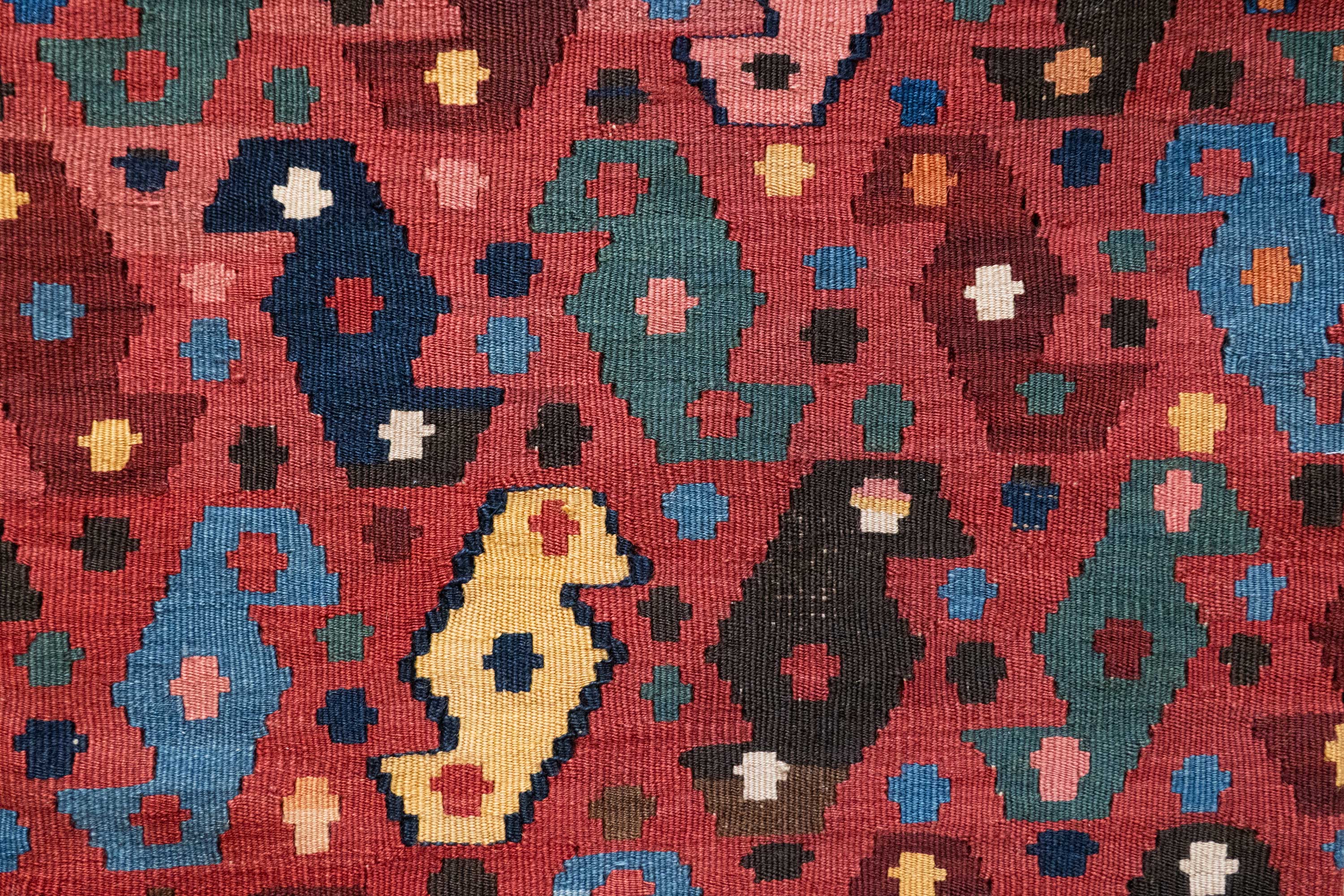
Here are some examples of 'rugs with jobs' that are well-suited to contemporary interiors.
Siirt Kilims
These rugs are woven of undyed mohair and brushed to create a soft faux-pile surface. Their geometry is modern and reminiscent of Diné (Navajo) aesthetics, albeit with an earth-toned, natural palette. Some are light and used as blankets and throws; others are densely woven and sturdy enough for floor use.

Jajims
Warp-faced flatweaves used as floor coverings, storage bags, and protective covers for household goods. The striped compositions of these rugs are graphic and simple, providing a grounding presence without competing for visual attention.


Tülüs
Shaggy, dense weavings with a graphic simplicity and large-scale motifs, these rugs were woven to insulate Anatolian shepherds from biting cold. Most are small enough for use as soft, distinctive area rugs in intimate spaces. Many feature silky mohair in combination with wool.


Sofreh (Dining Cloths)
Small rugs spread out and used for dining, sofrehs are eccentric and personal household artifacts that served as the focal points of mealtime gatherings. They are often colorful and pictorial in design. Their modest size makes them excellent area rugs, particularly in kitchens and dining areas.

Browse the full collection of functional tribal and village weavings at Souk Heritage Rugs.