Cart
0
To understand the aesthetics of today's antique rugs, it's necessary to consider the state of weaving a century ago.
The last great era of rug-making ended in the first decades of 20th century, and it has been in decline ever since. At the turn of the 20th century, rugs were made mostly in one of two settings: commercial workshops and in the rural village homes of individual weavers.
Workshop rugs were made for sale to well-heeled foreigner buyers. Their designs were devised by master weavers who catered to Western tastes. With dealers acting as tastemakers and middle men, rugs made in these workshops were exported to galleries in New York, London, Central Europe, and elsewhere. In general, these rugs were formal and sober, and today they are the backbone of the modern trade in decorative antique carpets.

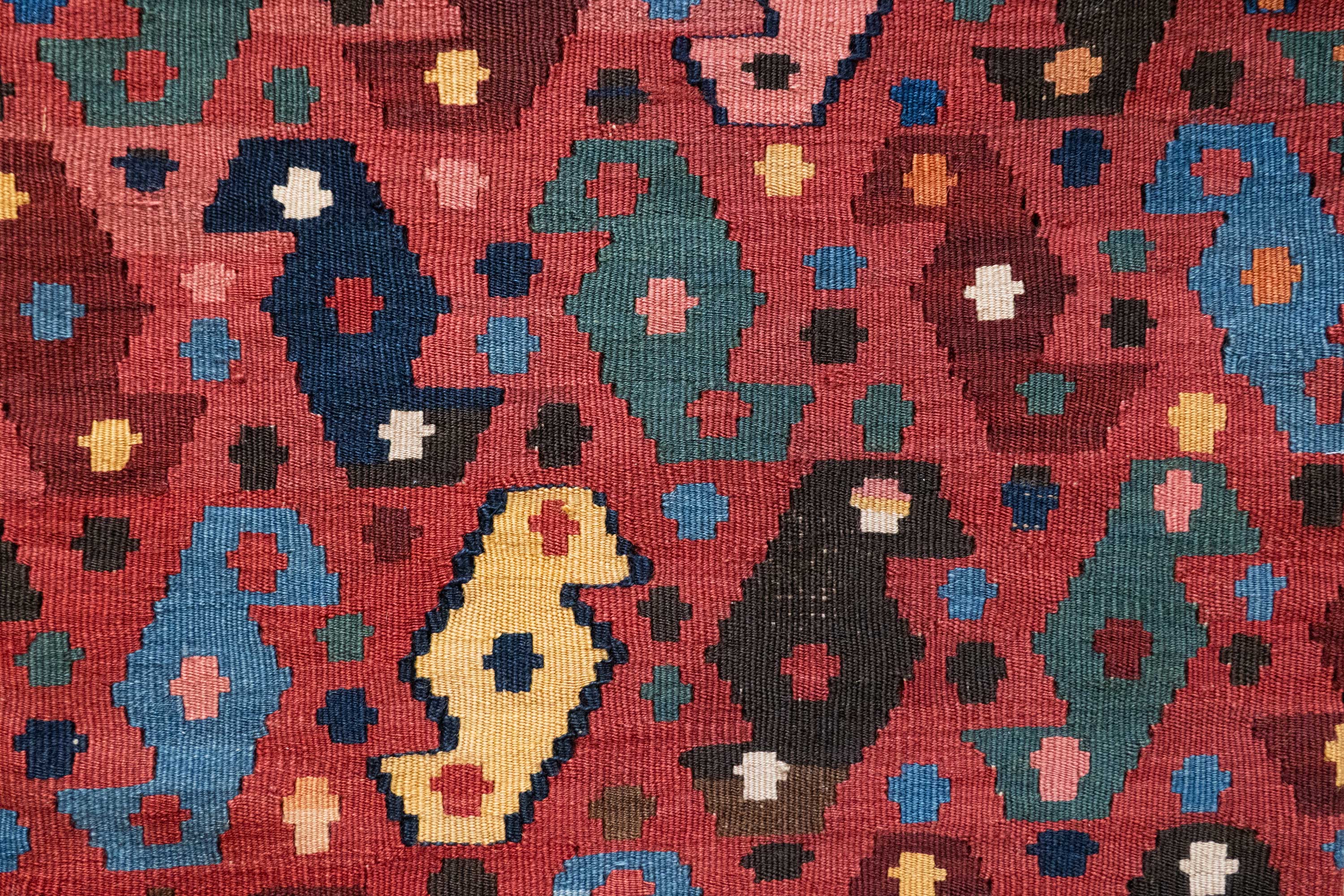
Village rugs, by contrast, were made for use in the weaver’s own home. Where workshop rugs catered to Edwardian decorating standards, village rugs were playful, expressive, and rooted in the nomadic culture of their weavers. Villagers and nomads alike turned to weaving to meet a variety of material needs. Seasonal migrations made wooden furniture impractical for use in nomadic households, and so woven textiles took the place of household fixtures such as dining tables, chairs, and storage chests. Weavings were also used as wall-hangings, bedspreads, shawls, and as room dividers and tent flaps.
Rug collectors and scholars continue to focus on workshop rugs that were woven to high technical standards, often adopting classical motifs drawn from the canon of historical weaving. From the coastal city of Hereke, a factory drawing on all the Ottoman Empire's resources produced high-quality rugs for royal palaces. Some decades later, the German company PETAG established a workshop in the Persian city of Tabriz. Hereke and PETAG carpets are among the most prized in the rug world today.
At Souk, we think that's a mistake. Despite their inventiveness and charm, village rugs remain overlooked.
Every rug an original
Every rug by a village or nomadic weaver is a unique work. Unrestrained by commercial considerations, weavers produced expressive rugs with designs guided by an inherited tradition and shaped by the weaver’s own imagination.
This led to greater experimentation in designs, colors, and formats. Village weavers produced sumptuously dense, shaggy rugs for use as soft bed covers. Dining cloths were woven to be used during wedding ceremonies. Weavings were made with the ‘evil eye’ motif, a talisman invoked for protection against envy and other harms. Rugs like these met the daily needs of life in rural steppe lands, but had little appeal in the Western market.
Not elevated, grounded
Village and tribal rugs have a unique aesthetic integrity rooted in context. Tribeswomen weaving in rural settings turned to specific motifs, colors, weaving formats, and designs that distinguished their own family and tribal traditions.
By the middle of the twentieth century, tribes had mostly abandoned nomadism and shepherding for life in urban centers. As members of the tribes joined the urban workforce, their connections to the tribe weakened. Those who continued to weave in city and village workshops were forced to became responsive to consumer tastes, rather than the motifs used for generations by their own tribe.
Material matters
Village and tribal weavers controlled every step of the rug-making process, leading them to use materials of higher quality.
Wool quality varies widely, and is shaped by breed, climate, diet, and the animal’s overall health. Even on a single sheep, the fiber quality ranges from the coarser wool of the hind legs to the finer, silken strands at the throat.
The lives of nomadic and semi-nomadic herders revolved around sheep, so skilled village weavers know the difference. They sort wool by fineness and select their materials with care, understanding that the best wool combs cleanly, spins evenly, and absorbs dye deeply.
Commercial wool sold to workshops is often of mixed quality, with long and short staple fibers mixed haphazardly. As one specialist in village rug observes:
In theory, factory-made rugs can match or even exceed the quality of village and nomadic pieces. However, more often than not the temptation to cut costs in materials and the reliance on machine spun yarns and chrome dyes result[s] in an inferior product.